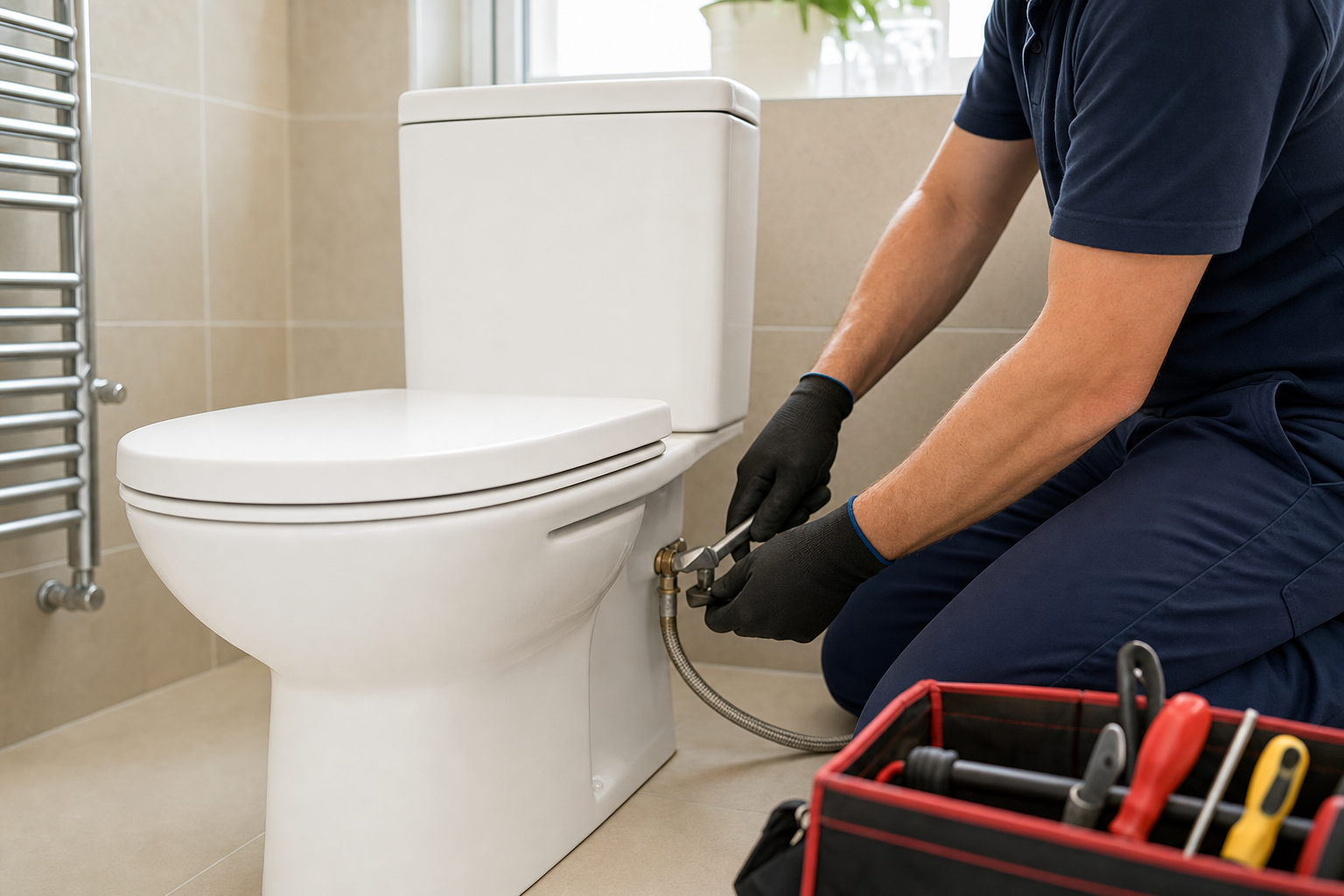
If you need toilet plumbing in Highgate, The Gate Plumbing & Gas Services can help with the common problems that disrupt day-to-day life: leaking toilets, faulty flushes, cistern issues, blocked toilets and macerator faults. For homeowners, landlords, tenants and local businesses, the first question is usually the same: can this be repaired, or does it need replacing?
This page is designed to help you understand the likely symptoms, the usual causes, and the practical decision points that often determine whether a toilet repair is the right option or whether a replacement is the more sensible long-term choice. We also cover what happens during a visit, what you can do before an appointment, and how to look after the installation afterwards.
We work across Highgate and nearby parts of North London, including Highgate Village, Highgate Station, Waterlow Park, Highgate Cemetery and Archway Road. If your toilet problem is affecting a family home, rented flat, office or small business premises, it is worth dealing with it early before water damage, recurring blockages or hygiene issues become harder to manage.
To discuss a toilet plumbing issue, call 020 3519 2035 or email info@plumbers-highgate.co.uk. Current availability can be checked by phone.
When we assess a toilet, we look at the visible symptom first, then work backwards to the likely cause. That may involve checking the fill valve, flush mechanism, cistern fittings, pan connection, seal, pipework, isolation valve, or the condition of the toilet itself. In many cases the decision is straightforward; in others, especially where parts are worn or the sanitaryware is old, a replacement can be more practical than repeated patch repairs.
For local properties, the right choice often depends on a few simple points: how severe the fault is, how old the toilet is, whether parts are still available, whether the leak is damaging flooring or ceilings, and whether the toilet has already had several repairs. We aim to give clear, practical advice so you can make an informed decision.
Leaking Toilet Repairs in Highgate
Leaking toilets are one of the most common reasons people search for leaking toilet repairs Highgate. A leak can show up in different ways: water around the base, a slow seep from the cistern, a toilet that keeps refilling, damp patches on the floor, or water running into the pan when nothing has been flushed. In flats and upper-floor properties, even a small leak can become a bigger issue if it is left unresolved.
Typical causes include a worn pan connector, a failing cistern-to-pan seal, loose fittings, a split fill valve, a cracked cistern, or a problem with the isolation valve or supply pipe. Sometimes the leak is obvious; other times it only appears when the toilet is flushed or when the cistern is refilling. That is why a careful diagnosis matters before any parts are changed.
Repair is often the right option when the toilet itself is in reasonable condition and the leak is coming from a replaceable component. In those cases, fixing the seal, valve or connector can restore the toilet without the cost and disruption of a full replacement. Replacement becomes more likely if the cistern is cracked, the pan is damaged, fittings are badly corroded, or the leak has already returned after previous work.
If you are a landlord or managing a rental property, a leaking toilet should be treated as a priority because it can affect the tenant’s use of the bathroom and may cause damage to flooring, ceilings or adjacent rooms. For businesses, even a minor leak can create hygiene and access problems for staff or customers.
Before a visit, it helps to note where the water appears, whether the leak happens after flushing or all the time, and whether the toilet is still usable. If safe to do so, you can turn off the toilet’s isolation valve to limit water loss until help arrives. Avoid forcing parts open if they are stuck, as older plastic fittings can crack easily.
After a repair, it is sensible to watch the area for a short period and check for any fresh moisture around the base, the cistern or the supply pipe. If flooring has already been affected, drying the area promptly matters, especially in older Highgate properties where water can travel into hidden voids or under timber floors.
Toilet Flush Repairs and Replacements in Highgate
Toilet flush repairs and replacements Highgate enquiries usually involve one of three problems: the flush does not activate properly, the flush is weak and incomplete, or the flush keeps running after use. These symptoms can be linked to a worn flush valve, a damaged button mechanism, a faulty siphon, a misaligned link, low water levels in the cistern, or limescale build-up affecting moving parts.
A repair is often the first step if the mechanism is serviceable and the fault is isolated to a single component. For example, a flush button may need adjustment, a diaphragm or seal may need replacing, or the cistern may simply need cleaning and re-setting. These kinds of repairs are usually sensible when the flush assembly is still compatible and the rest of the toilet is in good condition.
Replacement becomes more likely when the flush parts are obsolete, brittle, or repeatedly failing. In older bathrooms, especially where the toilet has been repaired several times already, it can be more cost-effective to replace the full flush mechanism rather than continue swapping individual parts. That can also reduce the chance of future call-outs for the same issue.
Customers often notice a flush fault because the toilet takes longer to clear, requires repeated flushing, or makes unusual noises while refilling. In some cases the cistern may fill very slowly, which can point to an inlet valve issue rather than the flush itself. A good diagnosis looks at the whole system, not just the button you press.
If you are preparing for a visit, try to avoid using the toilet repeatedly if it is overflowing or not clearing properly. Keep the area accessible, and if there is a shut-off valve nearby, know where it is located. For landlords and business owners, it is also helpful to tell us whether the issue is affecting one toilet or multiple toilets, as that can help narrow down the cause.
Once the flush has been repaired or replaced, it is worth checking that the cistern refills properly, the flush clears the bowl in one use, and no water is escaping into the pan between flushes. Early aftercare can prevent a small adjustment issue from becoming a repeat fault.
Toilet Installations and Replacements in Highgate
Toilet installations and replacements Highgate are usually considered when a toilet is beyond economical repair, the pan or cistern is cracked, the existing unit is outdated, or the property is being refurbished. Replacement is also a practical option where repeated faults have made the old toilet unreliable or where parts are no longer easy to source.
Choosing between repair and replacement is not just about the visible fault. It also depends on the age and condition of the toilet, the condition of the surrounding pipework, the style of the existing suite, and how important it is to reduce future maintenance. In a home, a replacement may be chosen for comfort, appearance or reliability. In a rental property or business, the main driver is often dependable use and fewer repeat issues.
A replacement can solve several problems at once: persistent leaks, poor flushing, noisy refilling, unstable fittings, or a toilet that no longer suits the space. It can also be the better option if the bowl or cistern has visible damage, or if the existing design makes maintenance awkward. During an assessment, we can explain whether a repair is likely to be a short-term fix or whether a new installation would be the better long-term decision.
For local properties around Highgate Village, Highgate Station and Archway Road, access is often a practical consideration. Narrow bathrooms, upper-floor flats and limited parking can all affect the planning of a replacement visit. Letting us know about access, parking restrictions, or any building rules before the appointment helps avoid delays.
After a new installation, the key checks are straightforward: the toilet should be stable, the flush should work properly, the cistern should fill without leaking, and all joints should remain dry. We also recommend keeping an eye on the first few days of use, especially after a replacement in an older property where existing pipework may already be under strain.
If you are a landlord, a clear record of the fault, the work carried out and the date of replacement is useful for property management. If you are a tenant, report any continuing leakage or flushing issue as soon as you notice it, rather than waiting for the problem to worsen.
Toilet Cistern Repairs and Replacements in Highgate
Toilet cistern repairs and replacements Highgate are often needed when a toilet keeps running, fills too slowly, makes a constant noise, or fails to flush properly. The cistern is the part most likely to show wear over time because it contains moving components, seals and valves that work every time the toilet is used.
Common cistern problems include a faulty inlet valve, a worn flush seal, a damaged float, a cracked cistern body, and mineral build-up on internal parts. Sometimes the issue is as simple as a component that has drifted out of alignment. At other times, especially with older fittings, several parts may be worn together, which makes a replacement more sensible than a series of small repairs.
Repair is usually the first consideration when the cistern body is sound and the fault is limited to a replaceable part. Replacement is more likely if the cistern is cracked, badly stained internally, or no longer compatible with readily available components. A replacement can also be a good option if the toilet is part of a larger bathroom update or if the existing cistern is causing repeated water waste.
One common symptom is a toilet that sounds as though it is refilling all the time. That can indicate water is slowly escaping from the cistern into the pan, which wastes water and can make the toilet less reliable. Another sign is a weak flush caused by low cistern fill levels or an issue with the flush mechanism. In both cases, a proper inspection helps identify whether repair or replacement offers the better outcome.
If you are waiting for a visit, avoid tampering with the internal parts unless you are comfortable doing so. A quick look is fine, but forcing the float or valve can make a manageable fault worse. If the toilet is continuously running and the shut-off valve works, turning it off temporarily can prevent unnecessary water loss.
After cistern work, check that the flush is consistent, the cistern stops filling at the correct level, and there is no seepage at the joints or overflow. In the days after the repair, look and listen for any recurring running water, especially overnight when the toilet is not in use.
Macerator Installations and Replacements in Highgate
Macerator installations and replacements Highgate are relevant where a property uses a macerating toilet system, often in places where drainage layout or space constraints make a standard gravity-fed toilet impractical. Macerator faults can be disruptive because they may affect flushing, waste discharge, odour control and the usability of the bathroom.
Typical macerator symptoms include a unit that hums but does not discharge properly, repeated tripping, unpleasant smells, poor flushing performance, or water backing up into the toilet. These faults can be caused by blockages, worn blades or internal components, electrical issues, incorrect use, or a unit that has reached the end of its serviceable life.
Whether to repair or replace depends on the nature of the fault and the age of the unit. A blockage or minor mechanical issue may be repairable. If the motor is failing, the unit is repeatedly cutting out, or the macerator has suffered long-term wear, replacement may be the more reliable option. Because macerators are specialised units, it is important to assess the system carefully before deciding.
Customers sometimes assume a macerator problem is just a blockage, but that is not always the case. The system may need a proper inspection to check whether the fault is in the toilet, the discharge line, the electrical supply, or the macerator itself. That diagnostic step helps avoid unnecessary replacement if the issue is actually a simple obstruction.
For households, landlords and local businesses, it is helpful to tell us whether the macerator has been making unusual noises, whether it has tripped power, and whether the toilet is still usable. If the bathroom is in a basement, loft conversion or extension, access details are especially useful because these installations are often tucked into tight spaces.
After a macerator repair or replacement, it is important to use the system correctly and avoid flushing unsuitable items. Wipes, sanitary products, cotton buds and other non-flushable materials can quickly create repeat problems. If you manage a rental or commercial property, clear guidance for users can prevent avoidable call-outs.
We also support related plumbing work where needed, including plumber visits for bathroom issues, emergency plumbing for urgent leaks or overflows, water leaks investigations, and broader work such as boiler repairs, boiler installations, central heating, underfloor heating and gas engineers where a wider property issue is involved. If your toilet fault is part of a larger plumbing problem, we can help you think through the next step.
To arrange toilet plumbing support in Highgate, call 020 3519 2035 or email info@plumbers-highgate.co.uk. Please contact us for current availability before booking.
For more information about the business and service area, you can also visit the website at plumbers-highgate.co.uk or view the Google Business Profile listing supplied for The Gate Plumbing & Gas Services. Where a gas-related check is ever relevant to a wider job, customers should ask for current Gas Safe details before any gas work is carried out.